

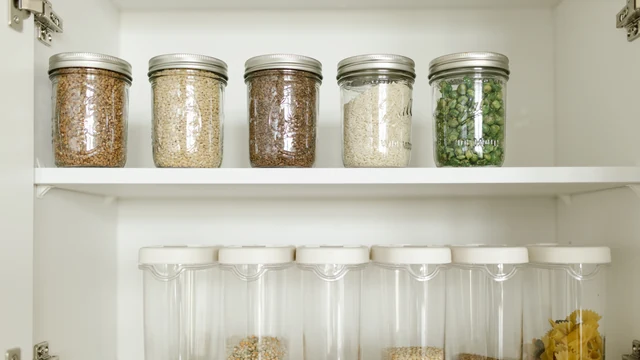
How to Organise Emergency Supplies so People Can Find Them
Group supplies by the job someone needs to do. Label each group in a format the intended user can recognise, then check that someone who did not pack it…
14 guides
Group supplies by the job someone needs to do. Label each group in a format the intended user can recognise, then check that someone who did not pack it…
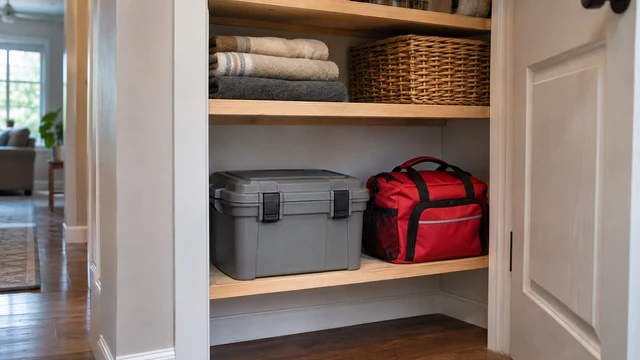
Choose emergency kit storage by checking how the intended person will reach it and whether the space suits what is inside.
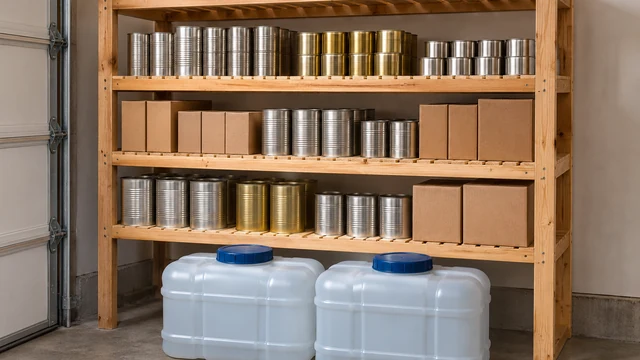
Start by counting the people in your household and the usable water you already have.
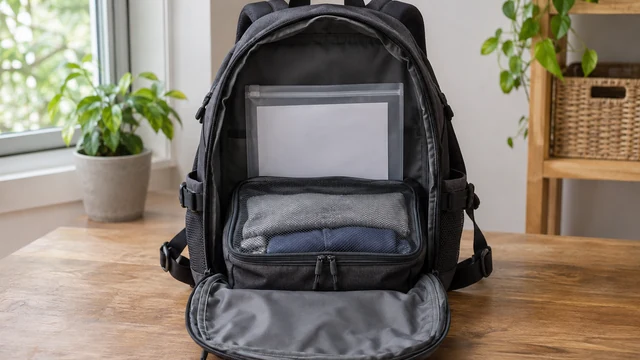
An empty emergency kit bag should fit the supplies you need to move and be manageable for the person assigned to carry it.
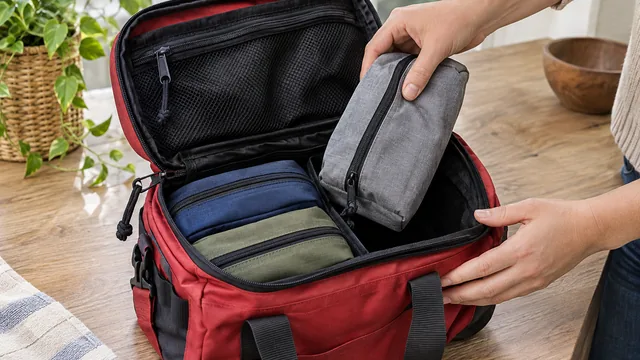
Start with a list of the exact items you used, found missing or need to replace. For a branded component, check the original maker’s accessories catalogue.
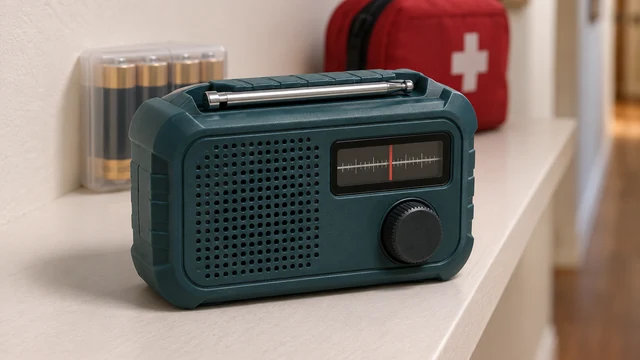
Keep a radio where the people in your household can find and use it when they need an update.
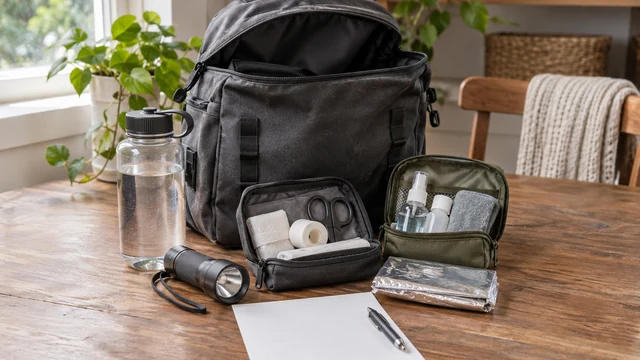
A 72-hour survival kit without food can serve as the equipment part of your plan.
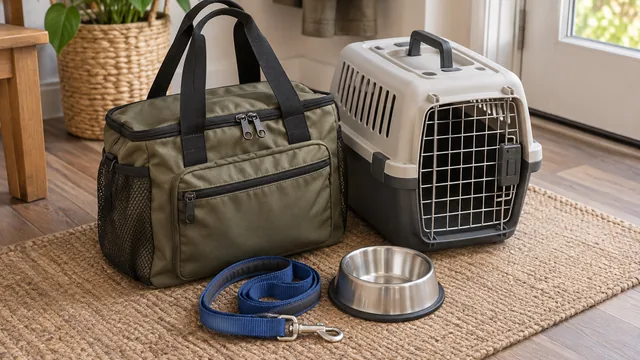
Build a family emergency kit with a separate line for each person and pet.
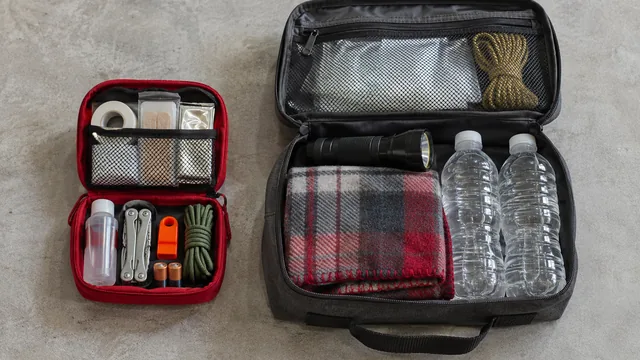
One manufacturer-direct US route for a pre-assembled household survival kit is Quake Kare’s own Emergency Ready range.
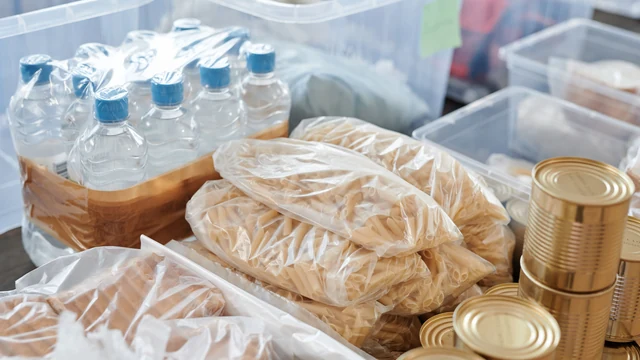
Choose a kit with food and water by checking the real contents against the people who will use them.
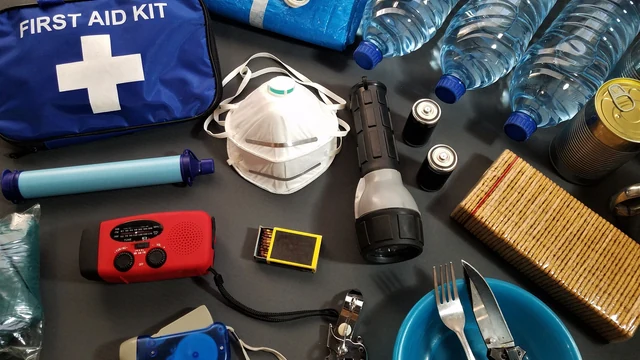
A survival kit for one person starts with supplies you can reach, open and use without a second person in the home.
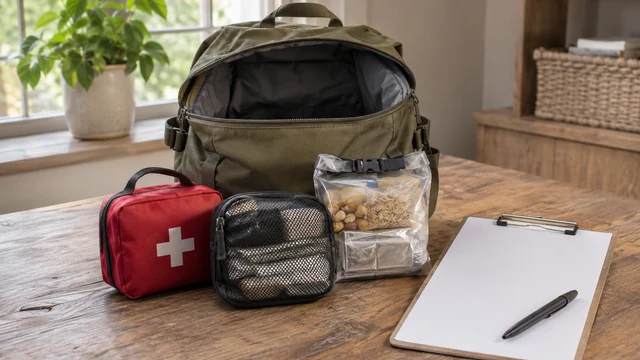
A 72 hour survival kit is a way of organising supplies for a three-day period.
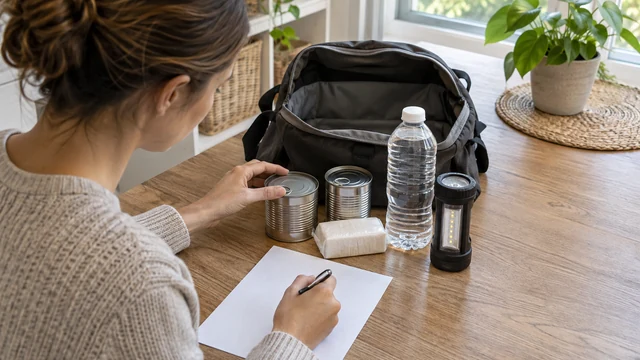
An emergency kit for home is a collection of supplies your household may need during a disruption.
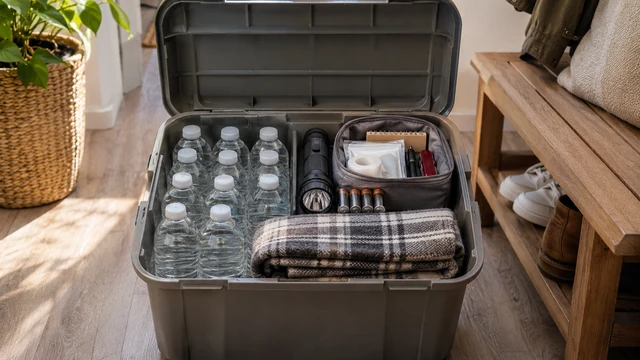
An emergency preparedness kit brings together supplies your household may need when ordinary services are disrupted.