

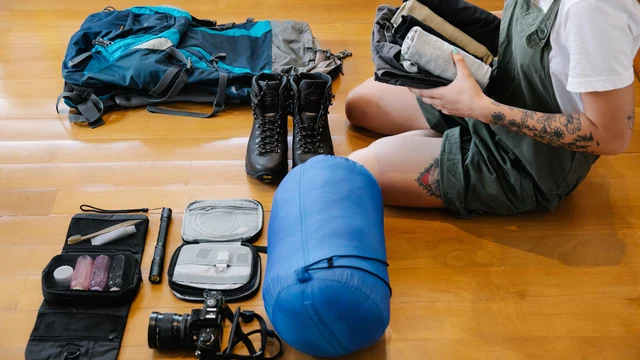
How to pack a bug out bag and check it before storing it
Lay out what you would take if you had to leave, choose an easy-to-carry bag, and check it with the actual load.
241 guides
Lay out what you would take if you had to leave, choose an easy-to-carry bag, and check it with the actual load.
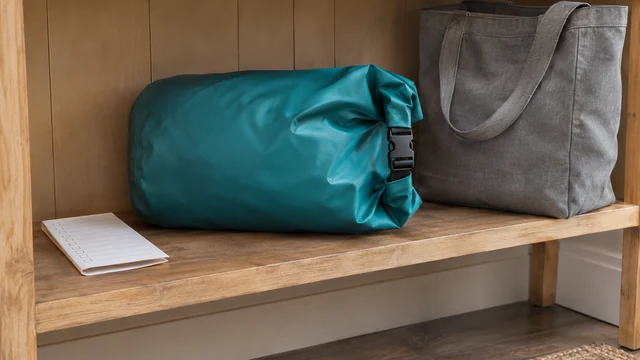
Choose a dry storage location for your bug out bag and inspect the contents after they have been carried or used.
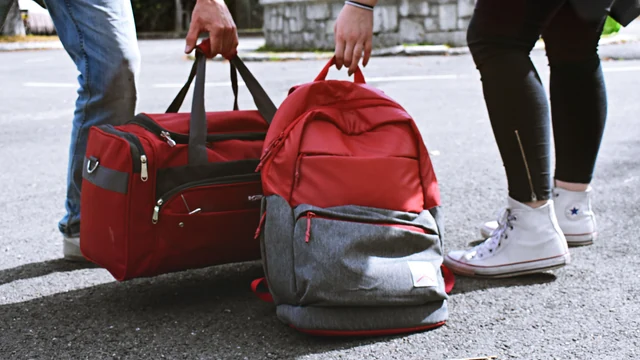
A get home bag starts where you spend time away from home. It helps you reach home if that is suitable, or reconnect at another agreed destination when it…
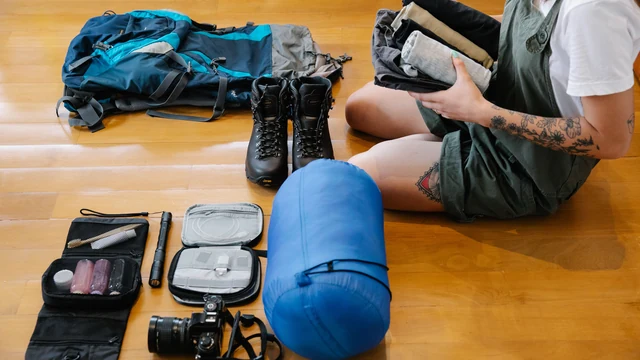
Print the checklist below or copy it onto paper. Use one sheet per bag.
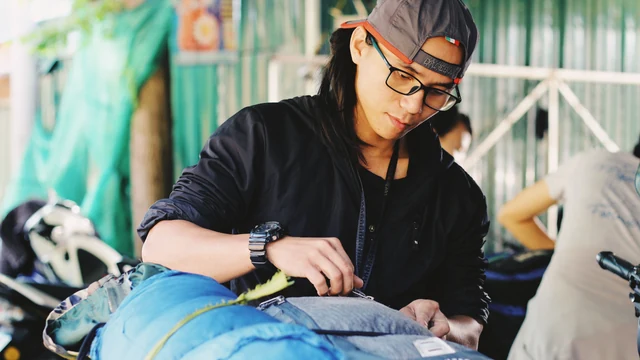
Use the one-page bug out bag checklist to record what goes in your bag, where you keep the remaining household supplies, and what needs attention.
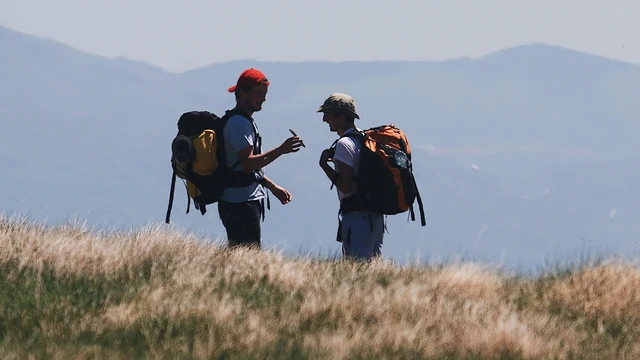
Give each shared item a named carrier, then check what each person needs within reach.
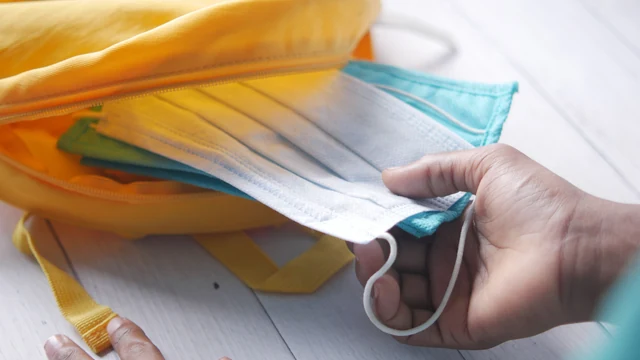
A beginner bug out bag checklist should help you gather essential supplies, identify household needs and prepare to leave with a bag you can manage.
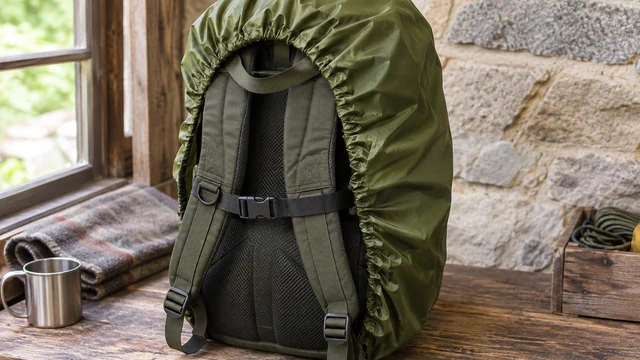
A water-resistant backpack cover can shed rain from parts of the bag it covers. The harness opening remains exposed.
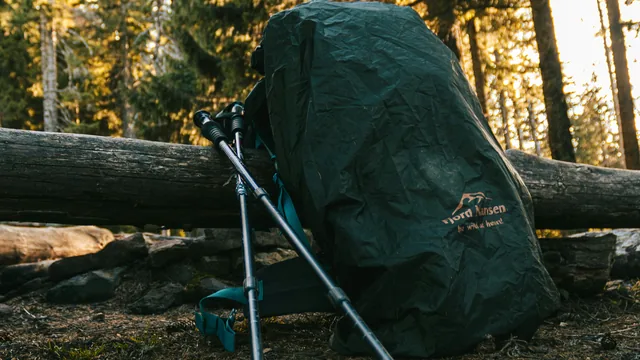
Decide where you will carry the things you may need to reach quickly before you fit a rain cover to an evacuation pack.
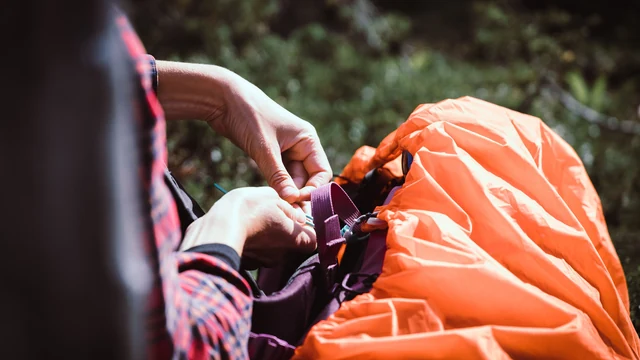
Fit each rain cover to the backpack you actually keep ready, with its normal contents inside and any attachments in place.
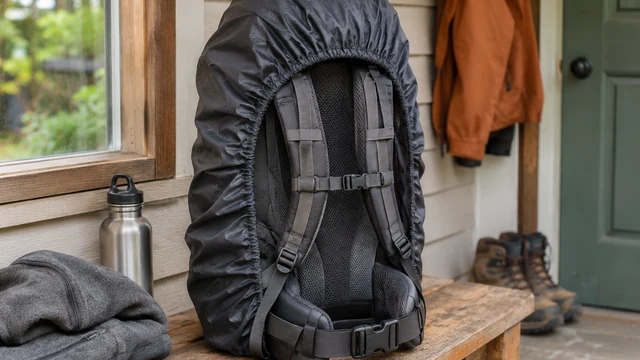
Sea to Summit identifies its Medium Ultra-Sil Pack Cover for 50–70 L backpacks. That makes it a documented option to try on a 50 L pack.
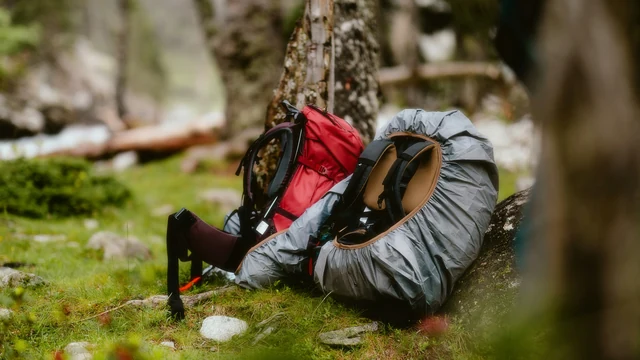
Choose a pack rain cover by checking the shape of your packed bag, including anything strapped to the outside.
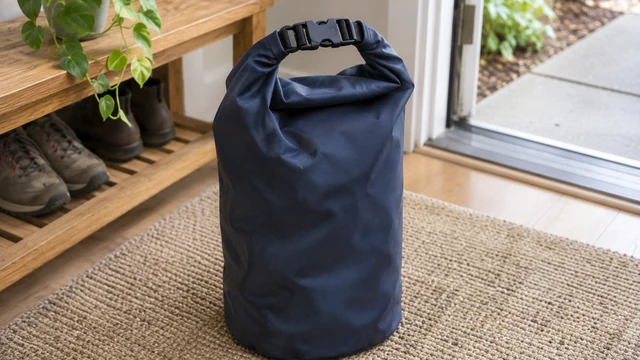
Decide which dry bundles would stay with you if you had to leave your vehicle or change how you travel.
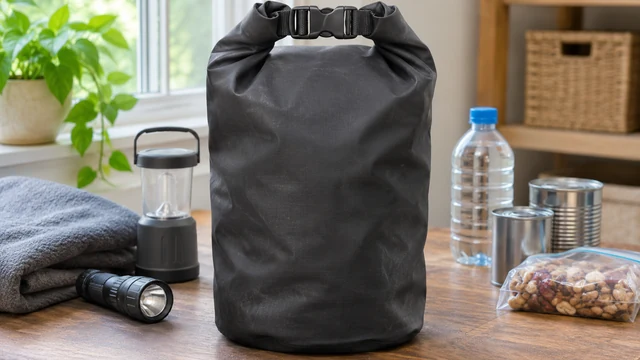
Use a fabric dry bag to group supplies in a larger kit. Keep drinking water in its own suitable container, keep food in its intended packaging and follow…
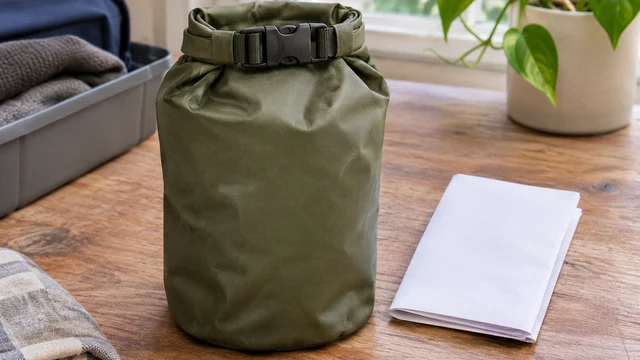
If you plan to carry documents inside a roll-top dry bag, try a blank sample with the same dimensions, folds and thickness as your papers.
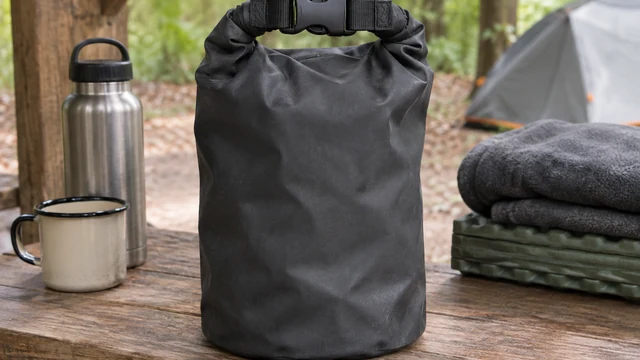
Pack the dry clothing or bedding you will need together, and keep it separate from damp gear.
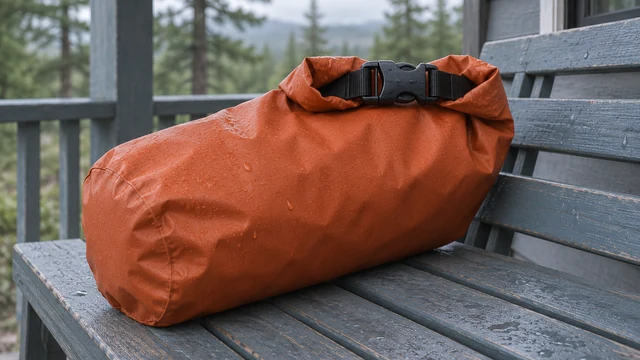
Compare waterproof dry bags by checking the exposure claim for the exact model, the type of closure, and the size and weight of the closed bag.
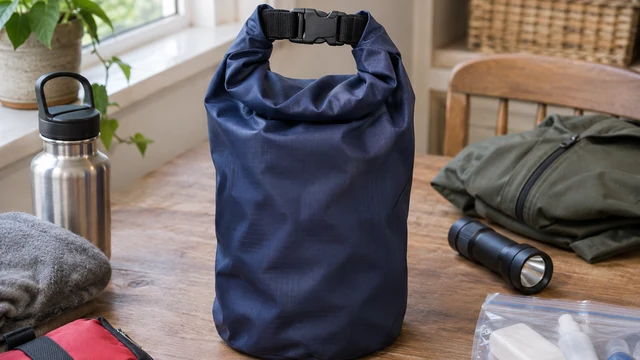
Give each roll-top emergency dry bag a job, such as keeping a dry change of clothes together in a larger pack.
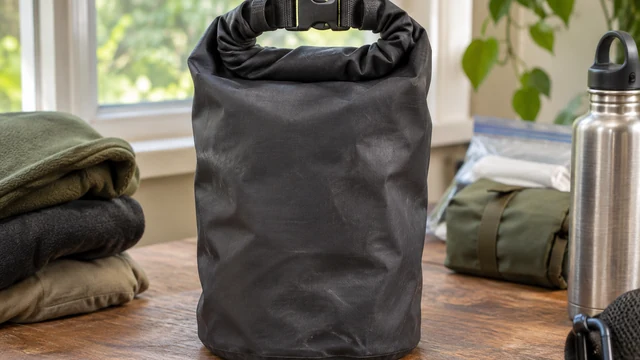
Choose dry bags for a bug out bag by grouping the supplies you need to reach together, then testing each group in the bag with the closure fully in place.
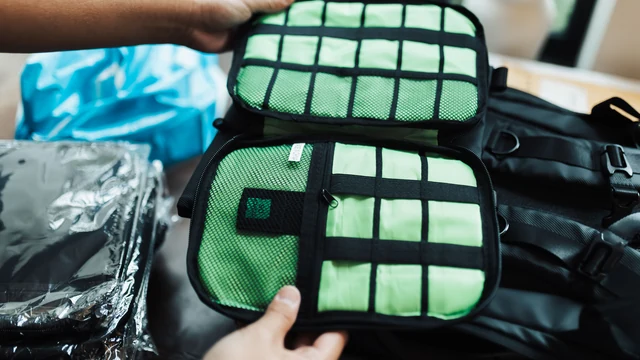
Check the original Osprey listings for the Daylite Packing Cube Set and the Daylite Powerhouse.
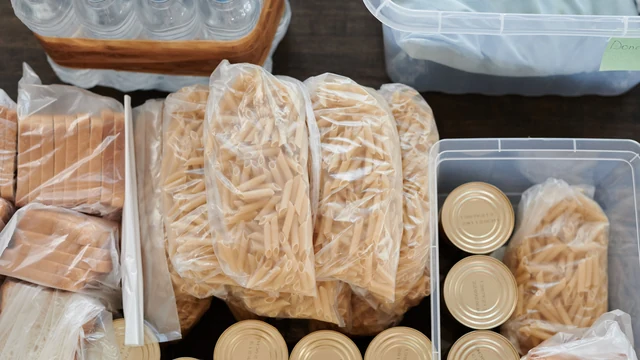
Organise food in a bug out bag by what you will eat first, what equipment each package needs and which supplies would travel separately.
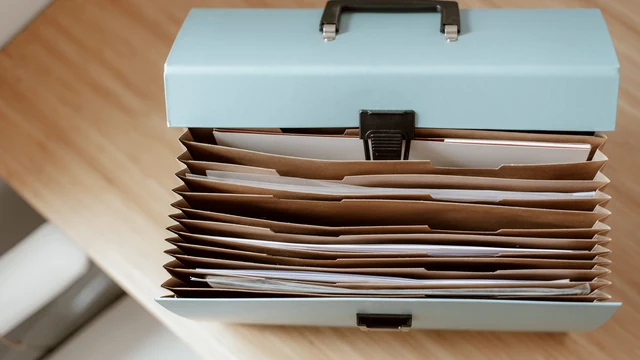
A document organiser for a bug out bag should carry the smallest useful set of papers for the person leaving.
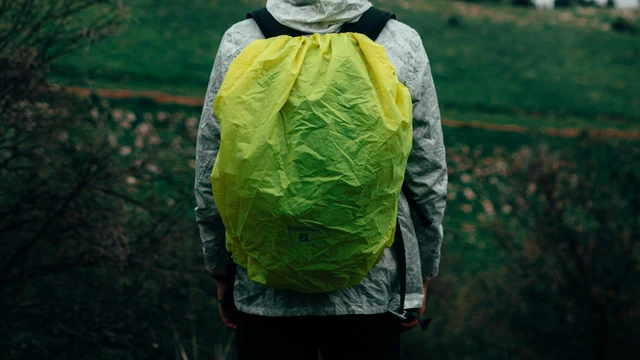
An emergency backpack with an included rain cover is worth considering if the pack fits the carrier and the cover works with the contents they need.
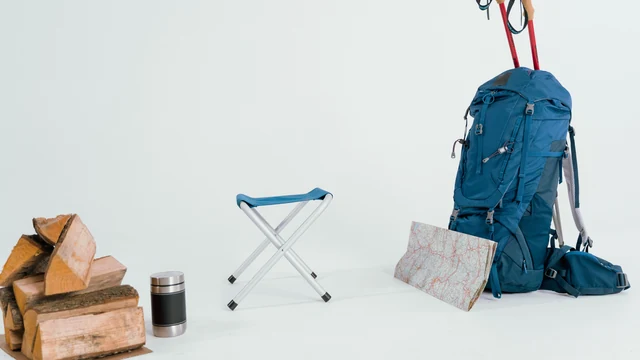
Choose an emergency backpack by comparing two bags with the same essential contents and the actual person who would carry them.