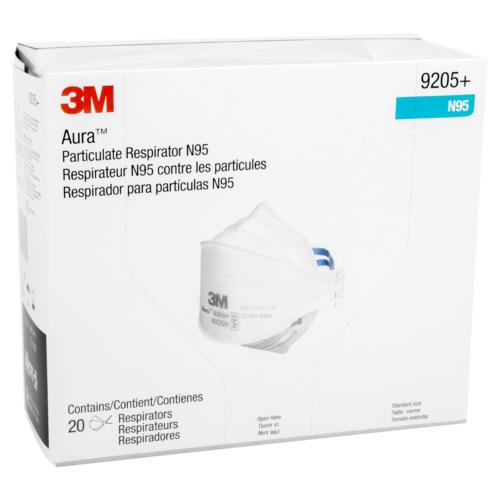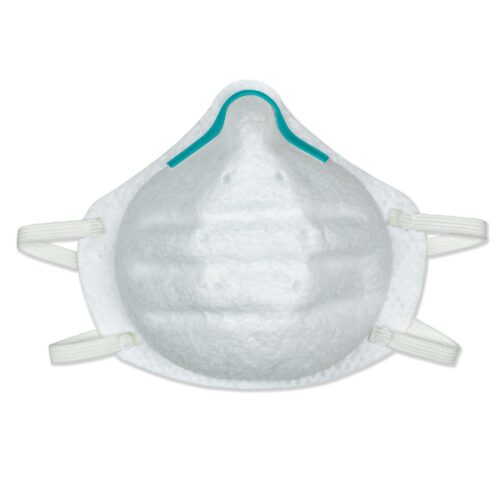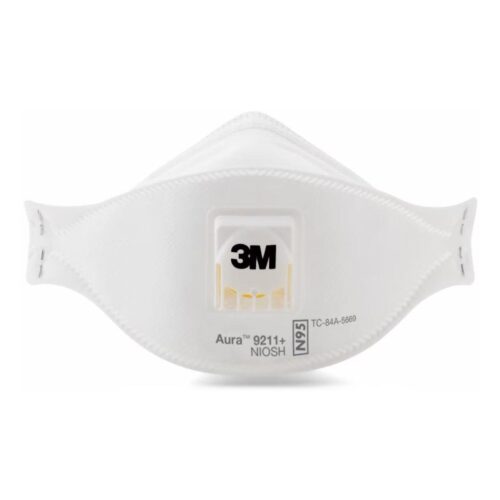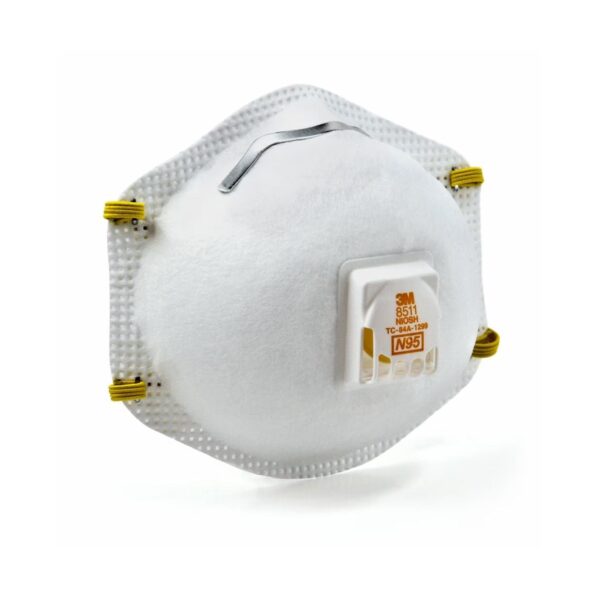
The 8511 is the valved member of 3M’s disposable range, and the number printed on the front is the point of it: NIOSH approval TC-84A-1299. That means a United States government laboratory tested and certified this respirator, and the approval can be looked up by anyone. As an N95 mask it filters at least 95 per cent of non-oil-based airborne particles, which covers wildfire smoke, sanding and grinding dust, mould spores, silica and ash.
Key features
- NIOSH-approved N95, approval number TC-84A-1299, printed on the respirator itself
- Filters at least 95 per cent of certain non-oil-based particles
- 3M Cool Flow exhalation valve releases warm, moist breath, which makes a long stint less stifling
- Adjustable M-noseclip and a braided two-strap headband with dual-point attachment, for a closer seal
- Cup shape holds its form and leaves room in front of the mouth, over a soft inner facing
- No components made from natural rubber latex
Specifications
- Model: 3M 8511, adult size, ten per box
- NIOSH approval: TC-84A-1299, filter class N95
- Assigned protection factor: 10, as for any filtering facepiece respirator
- Also tested to P2 under AS/NZS 1716
- Shelf life: 5 years
- Style: cup-shaped, with exhalation valve
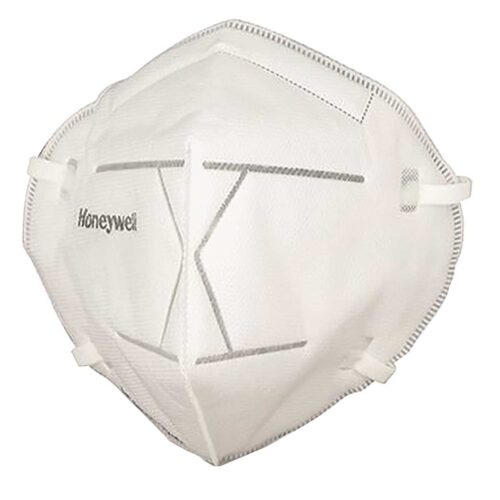
Three caveats, and none of them is small. First, the valve lets your breath out unfiltered. It keeps you cooler and it does nothing at all for the people around you, so this is the wrong choice in a clinic waiting room, when caring for someone unwell at home, or anywhere else that source control is the reason you put a mask on; use an unvalved N95 there. Second, a respirator is only as good as its seal. A beard along the sealing surface defeats it, and the fit wants checking every time it goes on. Third, 3M’s own limitation: for general or do-it-yourself use it is intended for non-harmful environments only, and occupational use belongs inside a written respiratory protection programme. One more thing worth saying plainly. A KN95 mask is not the same article. A KN95 is made to China’s GB2626 standard, carries no US approval number, and on a marketplace listing the certificate holder is usually impossible to check. An N95 carries a TC number you can verify against the NIOSH list.